
New Jersey drug crimes can lead to harsh punishment, especially when they involve harm or the risk of harming minors. For this reason, distributing a controlled dangerous substance (CDS) within 1,000 feet of a school is a third-degree indictable crime in New Jersey. If convicted, you could receive enhanced penalties compared to standard drug distribution charges.
If you face a school zone drug distribution charge, you will need an experienced lawyer by your side to protect your rights and seek the best possible outcome. To learn how experienced attorney Jason A. Volet can put his background of handling over 4,000 cases as a prosecutor or criminal defense attorney to work for you, contact us today. We can provide a free consultation.
What Is a ‘School Zone’ in New Jersey Drug Distribution Cases?
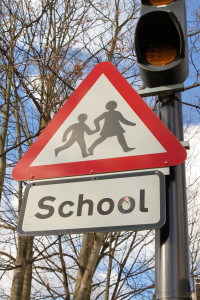
Under N.J.S. § 2C:35-7, a “school zone” is an area within 1,000 feet of:
- Any public or private school (including elementary, middle, or high school), or
- Any other property used for school-sponsored activities.
The measurement starts at the school property line and goes to where the alleged drug crime happened.
The definition applies to indoor and outdoor areas. It can include streets, sidewalks, and public spaces near a school. School zones extend to school buses and grounds used for extracurricular activities.
Lawmakers designed this rule to deter drug activity near children. It allows prosecutors to pursue more severe charges if they can place you anywhere within the school zone when the alleged distribution occurred.
Being charged with drug possession or drug distribution in an elementary or secondary school zone doesn’t require that students witness the alleged drug offense, either. Being within the designated distance is sufficient for the school zone enhancement.
How Do School Zone Charges Increase the Penalties in a Drug Distribution Case?
A standard drug distribution charge under New Jersey’s drug laws is already serious. The presence of a school zone raises the risk of legal consequences.
Distribution of controlled substances in a school zone is a third-degree crime, which means the drug conviction could result in:
- A sentence of three to five years in state prison
- Fines of up to $35,000.
School zone distribution charges have mandatory minimum parole ineligibility periods. Less than one ounce of marijuana has a minimum term of one-third to one-half of the sentence or one year, whichever is greater. All other cases have a minimum term of one-third to one-half the sentence or three years, whichever is greater.
The type and amount of drugs can further affect how serious the charges are:
- Marijuana – Distribution of small amounts may still trigger school zone enhancements. Larger quantities can escalate charges to second-degree offenses.
- Cocaine, heroin, and methamphetamine – These drugs often carry mandatory minimum sentences even without school zones involved. In a school zone, the penalties include additional prison time and higher fines.
- Amount of drugs – Possessing or distributing amounts considered “large” or intended for trafficking may increase the charge and involve stricter sentencing guidelines.
The school zone enhancement does not require an intent to distribute to minors. Prosecutors need to prove only that the alleged offense occurred within the zone.
How Can the Prosecutors Prove You Were in a School Zone?
Prosecutors rely on a variety of evidence when pursuing drug possession charges and distribution offenses, including law enforcement observation, to prove that an alleged drug distribution took place within a school zone. For example:
- Distance measurements from the school property line to the scene of the alleged crime
- Surveillance footage showing you were near school property
- Testimony from witnesses placing you in the school zone.
If the measurement or evidence is inaccurate, you may challenge the designation of the school zone. For example, if the alleged location is slightly beyond 1,000 feet or the property lines are in dispute, the school zone enhancement may not apply. Every fact matters when your case hinges on the zone’s boundaries.
What Are Possible Defenses for New Jersey School Zone Drug Charges?
Several defenses may apply to school zone drug distribution cases, depending on the facts:
- Challenging the school zone boundaries
- Disputing whether you knowingly possessed or distributed drugs
- Questioning how the evidence was collected and tested
- Insufficient proof of drug type or amount
- Lack of proximity to school property.
A strong defense requires detailed knowledge of New Jersey law and experience with local courts. A skilled criminal defense lawyer can review each piece of evidence, including property surveys, to find weaknesses in the prosecution’s case.
What Should You Do If You Are Arrested for Drug Distribution in a School Zone in NJ?
If police arrest you for drug distribution in a school zone, follow these steps:
- Remain silent and avoid making statements without a lawyer present. Anything you say can be used against you in court, even if you think you’re just clearing something up.
- Document details about the arrest. Include exact locations and times.
- Gather any evidence that may support your defense, such as GPS records or witness information.
- Contact the Law Office of Jason A. Volent to speak with a New Jersey drug crime defense attorney who can review your case and advise you on what to do next to protect your rights and your future.
How Can a New Jersey Drug Crimes Lawyer Help Me?
When you work with the Law Office of Jason A. Volet, an experienced New Jersey drug crimes attorney can help you through every stage of your school zone drug distribution case, from arrest to the final resolution. We can:
- Review the location and property measurements to challenge the school zone designation
- Analyze the prosecution’s evidence, including lab results
- Investigate the arrest and police procedures to determine whether they violated your rights (such as searching you without a valid warrant, probable cause, or other legal justification, or questioning you in custody without an attorney present after you asked for one), and file motions to suppress evidence
- Work with you to develop a solid defense strategy
- Negotiate with prosecutors for dismissed or reduced charges or alternative sentencing options
- Represent you in court at each hearing and at trial.
Contact a New Jersey Drug Crimes Lawyer
Facing a school-zone drug distribution charge requires you to mount an aggressive defense. Attorney Jason A. Volet represents clients throughout New Jersey and takes pride in providing personalized strategies to protect our clients’ rights and minimize potential penalties.
See our proven record of success and read what past clients have to say about working with us. To get started on your defense, contact us today and receive a free consultation about the specific facts of your case.